Funny Fruits Lesson for Kids to Learn: A Strategic Tool for Engaging Young Minds
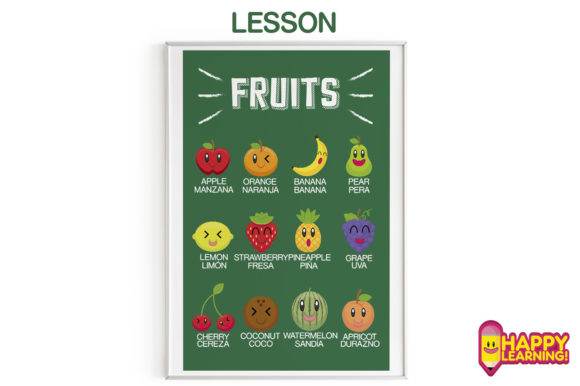
The Funny Fruits Lesson for Kids to Learn is a creative and colorful educational resource designed to make learning about fruits fun and interactive for children. This digital package includes a variety of materials such as lesson plans, activities, and card templates that educators and parents can use to enhance their teaching methods. By incorporating humor and visual appeal, this lesson helps capture the attention of young learners, making it an effective tool for both classroom and home environments.
Strategically, the Funny Fruits Lesson for Kids to Learn offers more than just entertainment; it supports the development of essential skills such as recognition, memory, and creativity. The materials are structured to encourage active participation, which can lead to better retention of information and a more positive attitude toward learning. Educators and parents who prioritize engaging and effective teaching methods will find this resource particularly valuable.
Why Use Funny Fruits Lesson for Kids to Learn?
The Funny Fruits Lesson for Kids to Learn is ideal for those looking to create a dynamic and enjoyable learning experience. Its design encourages interaction, which is crucial for young children who learn best through play and exploration. The inclusion of activities and cards provides multiple ways to reinforce learning, allowing for flexibility in how the material is used.
For educators, this resource can be a powerful addition to their curriculum. It allows for the integration of creative elements into traditional lessons, making the learning process more engaging. For parents, it offers a convenient way to support their child's education at home, especially during times when formal schooling may be limited or interrupted.
The Funny Fruits Lesson for Kids to Learn also supports long-term educational goals by fostering a love for learning. When children associate learning with fun and creativity, they are more likely to develop a lifelong curiosity and enthusiasm for knowledge. This can have a lasting impact on their academic performance and overall development.
When to Use Funny Fruits Lesson for Kids to Learn
The Funny Fruits Lesson for Kids to Learn is most effective when used consistently and intentionally. It can be incorporated into daily lessons, special projects, or even as a reward for completing tasks. Educators should consider the timing and context in which the materials are used to maximize their impact.
For example, using the Funny Fruits Lesson for Kids to Learn during a unit on healthy eating can provide a fun and interactive way to teach children about different types of fruits. Similarly, it can be used as part of a broader lesson on vocabulary, where children learn fruit names and associated words through games and activities.
Parents can also use the Funny Fruits Lesson for Kids to Learn to supplement their child's education. Whether it's during a rainy day at home or as part of a homeschooling routine, the materials offer a versatile and engaging way to support learning. The inclusion of stickers and rewards makes it an excellent tool for motivating children and reinforcing positive behavior.
How to Approach Funny Fruits Lesson for Kids to Learn
To get the most out of the Funny Fruits Lesson for Kids to Learn, it's important to approach it with a clear plan. Start by identifying the specific goals you want to achieve with the materials. Are you looking to improve your child's vocabulary? Enhance their fine motor skills? Or simply make learning more enjoyable?
Once you have a clear objective, you can tailor the use of the materials to suit your needs. For instance, if the goal is to improve recognition, focus on the card templates and activities that involve matching and identification. If the goal is to foster creativity, encourage children to use the templates to create their own cards or drawings.
It's also beneficial to involve children in the planning process. Let them choose which activities they want to try or what they would like to draw. This not only increases engagement but also gives them a sense of ownership over their learning. The Funny Fruits Lesson for Kids to Learn is designed to be flexible, so adapting it to fit individual preferences can enhance its effectiveness.
What to Consider Before Using Funny Fruits Lesson for Kids to Learn
Before relying on the Funny Fruits Lesson for Kids to Learn, it's important to consider a few key factors. First, ensure that the materials align with the learning objectives you have set. While the resource is designed to be engaging, it should also serve a purpose in the educational process.
Second, assess the age and developmental stage of the children using the materials. The activities and card templates are suitable for young learners, but they may need guidance or modification depending on the child's abilities. For example, younger children may benefit from simpler activities, while older children may enjoy more complex challenges.
Finally, consider the environment in which the materials will be used. The Funny Fruits Lesson for Kids to Learn is a digital product, so having access to a printer and basic supplies is necessary. Make sure that the materials are stored and organized in a way that makes them easy to access and use when needed.
Possible Risks of Using Funny Fruits Lesson for Kids to Learn Without Clear Goals
While the Funny Fruits Lesson for Kids to Learn is a valuable resource, it can lose its effectiveness if used without a clear purpose. Randomly incorporating the materials into lessons or activities without a defined goal may result in a lack of focus and reduced engagement.
Without a strategic approach, the materials may become just another item in a list of resources rather than a meaningful tool for learning. This can lead to wasted time and effort, as well as a missed opportunity to fully utilize the potential of the Funny Fruits Lesson for Kids to Learn.
To avoid this, it's important to plan ahead and integrate the materials in a way that supports specific learning outcomes. Whether it's for a short-term project or a long-term educational strategy, the Funny Fruits Lesson for Kids to Learn can be a powerful asset when used intentionally.
Intentional Use of Funny Fruits Lesson for Kids to Learn
Using the Funny Fruits Lesson for Kids to Learn intentionally means being mindful of how and when it is used. Instead of treating it as a one-size-fits-all solution, consider how it can be tailored to meet the unique needs of each learner. This might involve adjusting the difficulty level of activities, incorporating additional resources, or combining it with other teaching methods.
For example, educators can use the Funny Fruits Lesson for Kids to Learn as part of a larger unit on nutrition, pairing it with hands-on activities such as fruit tasting or cooking. Parents can use it to reinforce learning through storytelling or imaginative play. The key is to find creative ways to integrate the materials into the learning process.
By using the Funny Fruits Lesson for Kids to Learn with intention, educators and parents can create a more meaningful and impactful learning experience. This approach not only enhances the effectiveness of the resource but also fosters a deeper connection between the child and the learning process.
Long-Term Value of Funny Fruits Lesson for Kids to Learn
The Funny Fruits Lesson for Kids to Learn offers long-term value by supporting the development of foundational skills that can benefit children throughout their lives. From early childhood education to later academic years, the ability to recognize, remember, and engage with information is crucial for success.
Additionally, the resource promotes a positive attitude toward learning, which can have a lasting impact on a child's motivation and confidence. When children associate learning with fun and creativity, they are more likely to remain curious and engaged in their education. This can lead to better academic outcomes and a stronger foundation for future learning.
For educators and parents, the Funny Fruits Lesson for Kids to Learn is not just a temporary tool but a valuable investment in a child's growth and development. Its versatility and adaptability make it a resource that can be used repeatedly, providing ongoing benefits for both the child and the educator.