Vowels and Consonants Alphabet Lesson
Learning the alphabet is a foundational step in a child's education, and understanding the difference between vowels and consonants is an essential part of that journey. A well-structured lesson on this topic can make learning fun, engaging, and effective for young learners. Whether you're a parent, teacher, or educator, finding the right resources to support this learning process is key.
What Is a Vowels and Consonants Alphabet Lesson?
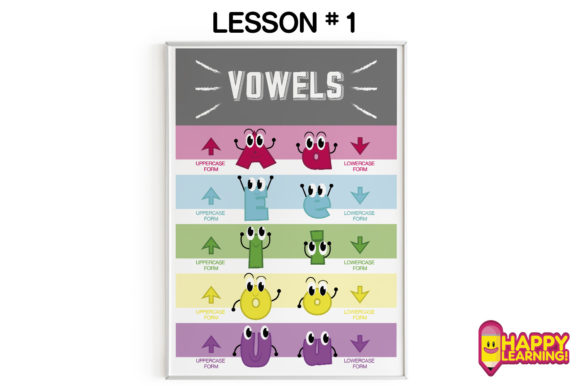
A Vowels and Consonants Alphabet Lesson is a structured educational resource designed to teach children the basics of the English alphabet. These lessons typically focus on identifying and distinguishing between vowels (A, E, I, O, U) and consonants (all other letters). The goal is to help children recognize these sounds, understand their roles in words, and build a strong foundation for reading and writing.
Such lessons often include visual aids, interactive activities, and practice sheets to reinforce learning. They are especially useful for early childhood education, as they cater to different learning styles and developmental stages.
Why It Matters for Different Audiences
The value of a Vowels and Consonants Alphabet Lesson varies depending on who is using it. For parents, it offers a way to support their child’s learning at home, making education more accessible and enjoyable. For teachers, it provides a ready-to-use tool that can be integrated into classroom activities, saving time and effort in lesson planning.
For educators and creators, this type of lesson can serve as a template or reference for developing their own materials. It may also inspire new ways to present the alphabet in creative and interactive formats. Entrepreneurs and small business owners who run educational product lines might find such lessons valuable for expanding their offerings or improving existing ones.
How Different Users Might Approach This Resource
Beginners may appreciate the simplicity and clarity of the lessons, focusing on basic recognition and pronunciation. Experienced users, on the other hand, might look for advanced activities that challenge their skills or encourage deeper exploration of phonics and language structure.
Creators and designers could use the lesson as a base for developing custom learning tools, such as flashcards, games, or digital content. Professionals in the education sector may evaluate the resource based on its alignment with curriculum standards, ease of use, and adaptability to different teaching methods.
Key Features of a Quality Vowels and Consonants Lesson
A good Vowels and Consonants Alphabet Lesson should be easy to access, visually appealing, and adaptable to various learning environments. It should include a variety of materials to cater to different needs and preferences. Here are some important features to consider:
- Comprehensive Lessons: Four detailed lessons that cover the basics of vowels and consonants, helping children build a solid understanding of the alphabet.
- Interactive Activities: Three different activities that encourage hands-on learning, from matching exercises to creative play.
- Customizable Templates: Cards with front and back templates that allow for personalization, making the learning experience more engaging and tailored to individual needs.
- Practice Sheets: Ten sheets for practicing handwriting, reinforcing letter formation, and improving fine motor skills.
- Bonus Materials: Additional resources like a special JPG file that adds extra value to the learning package.
Practical Applications for Various Users
Parents looking to supplement their child’s education at home can use these lessons to create a structured yet fun learning environment. By printing and organizing the materials, they can turn everyday moments into learning opportunities.
Teachers can integrate these lessons into their classroom routines, using them as part of group activities, independent work, or assessment tools. The availability of multiple sizes and formats makes it easier to accommodate different classroom setups and student needs.
For educators and content creators, the lesson’s design and structure can serve as inspiration for developing new educational products. The inclusion of templates and practice sheets allows for customization, ensuring that the materials remain relevant and effective across different age groups and learning levels.
Choosing the Right Resource for Your Needs
When evaluating a Vowels and Consonants Alphabet Lesson, it’s important to consider your specific goals and requirements. If you’re looking for something quick and easy to use, a resource with clear instructions and ready-to-print materials may be ideal. If you’re interested in creativity and flexibility, a lesson that includes customizable elements could be more suitable.
For those focused on long-term learning, the quality and depth of the content will be a key factor. A lesson that offers both foundational knowledge and opportunities for growth can provide lasting value. Additionally, considering the cost and accessibility of the resource can help ensure that it fits within your budget and schedule.
Conclusion
A Vowels and Consonants Alphabet Lesson is more than just a set of materials—it’s a tool that supports learning, creativity, and engagement. Whether you're a parent, teacher, or educator, finding the right resource can make a significant difference in how children approach and enjoy learning the alphabet. With the right combination of structure, flexibility, and creativity, these lessons can become a valuable part of any educational journey.